
Home » “Ozempic Face” Treatment
“Ozempic Face” Treatment
What Is “Ozempic Face”?
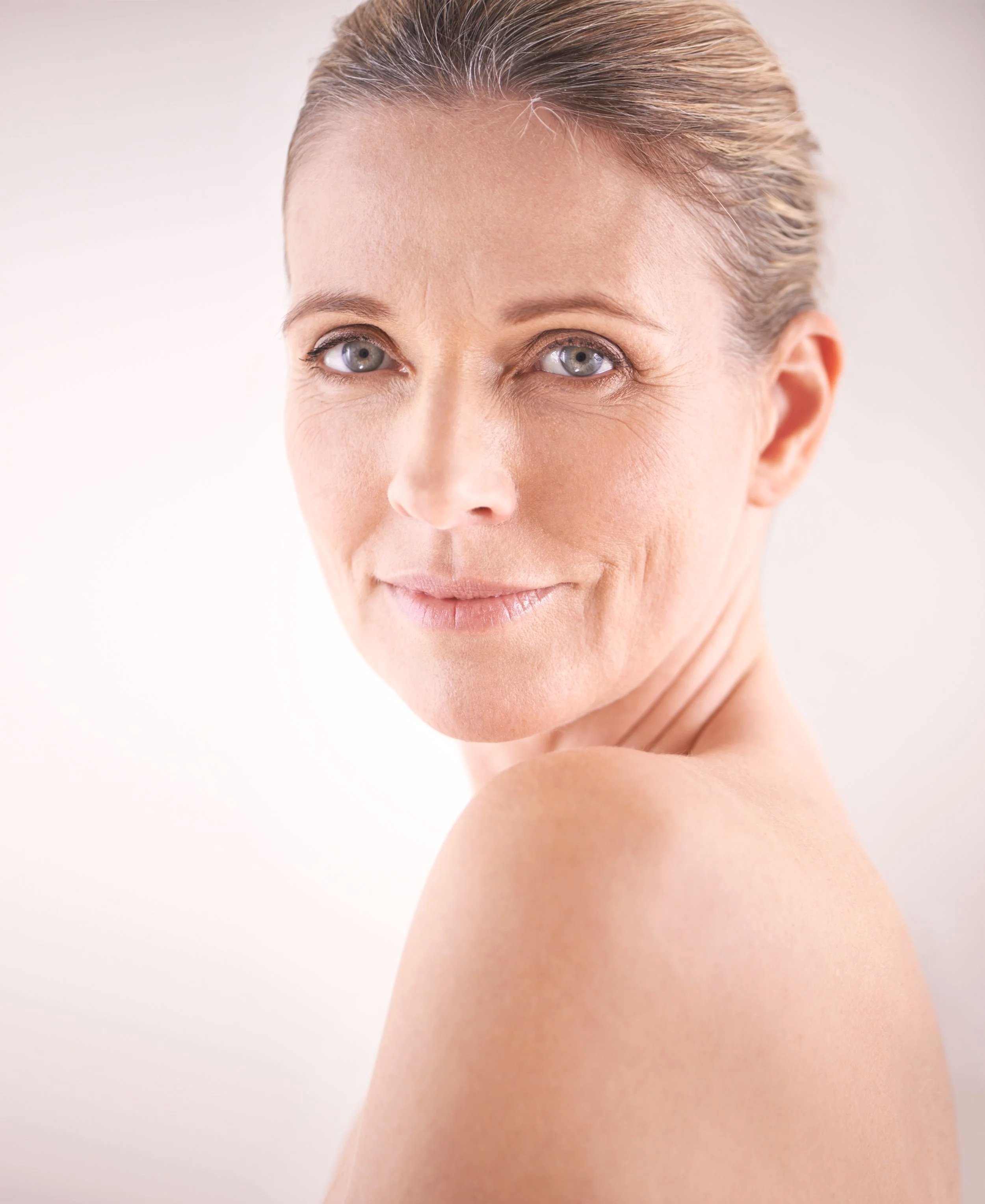
“Ozempic Face” is a popular term used to describe facial changes that may occur after significant or rapid weight loss, particularly in patients using GLP-1 medications such as Ozempic, Wegovy, Mounjaro, or Zepbound.
As the body loses fat, the face can experience volume depletion, skin laxity, and changes in facial contours, leading to a more hollow, gaunt, or aged appearance. Common areas affected include the cheeks, temples, under-eye region, jawline, and around the mouth.
While the term is widely used, it is important to note that these changes are not caused by the medication itself, but rather by the physiologic effects of weight loss, which can occur with any method of rapid or substantial weight reduction.
What Issues Can This Treatment Address?
Ozempic Face treatment is designed to address facial changes that may occur after significant or rapid weight loss, particularly in patients using GLP-1 medications.
This treatment approach may help improve the following concerns:
Facial volume loss in areas such as the cheeks, temples, and midface
Hollowing under the eyes
Deepened nasolabial folds and marionette lines
Jawline softening or jowling
Sagging or lax skin
Increased visibility of wrinkles and fine lines
An overall aged or gaunt appearance
“Ozempic Face” Treatment Options
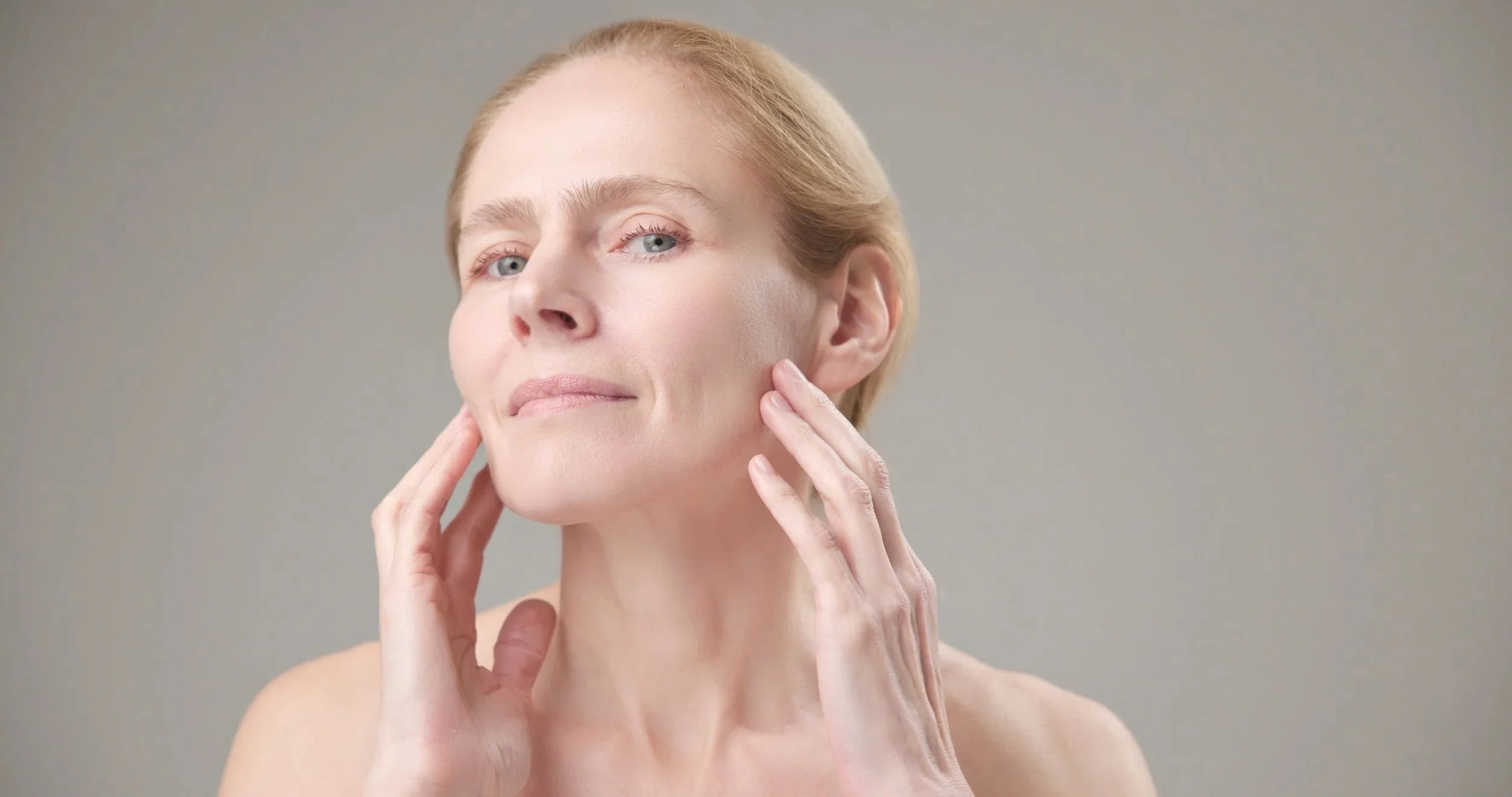
At Ohara Dermatology, treatment for Ozempic Face focuses on restoring balance, support, and skin quality, not simply adding volume.
Depending on your unique facial anatomy, degree of weight loss, skin condition, and treatment goals, options may include:
Injectable dermal fillers to restore lost facial volume
Biostimulatory injectables to encourage collagen production
Skin-tightening treatments to improve laxity
Laser and energy-based therapies to refine texture and tone
Neuromodulators to soften dynamic wrinkles
In select cases, surgical referral for advanced laxity
Which Option Is Right for Me?
There is no single solution for Ozempic Face. Facial changes after weight loss vary widely depending on age, genetics, rate of weight loss, skin quality, and baseline facial structure.
Some patients primarily need volume restoration, while others benefit more from skin tightening, collagen stimulation, or structural support. Many achieve the best outcome through a combination approach, thoughtfully layered over time.
Because facial changes after weight loss vary from person to person, a comprehensive consultation is essential to determine which concerns are most relevant and how they can be addressed safely and effectively.
“Ozempic Face” Treatments: At a Glance
Treatment Type: Non-surgical and surgical aesthetic treatments targeting facial volume loss, skin laxity, and structural support
How Long It Takes: Between 30 and 90 minutes, depending on the treatment(s) performed
Recovery Time: Most non-surgical treatments involve little to no downtime
Treatment Regimen: Customized treatment plan; May involve a single session or a series of treatments over time
Speed of Results: Some improvement is visible right away, with continued enhancement over weeks to months as collagen rebuilds
Duration of Results: Results vary by treatment type and individual factors
Pain Level: Mild to moderate
What Does the Treatment Entail?
Your experience begins with an in-depth facial assessment that evaluates:
Volume distribution
Skin elasticity and quality
Facial proportions and support
Weight-loss timeline and stability
Treatment may be performed in stages, allowing your face to adapt naturally while avoiding an over-filled or unnatural look. Many patients begin treatment before reaching their final weight, particularly with collagen-stimulating therapies, while others benefit from waiting until weight has stabilized.
Comfort, precision, and subtlety are prioritized at every step.
Treatment Results
Results vary based on the treatment selected and individual response, but patients commonly experience:
Restored facial fullness and contour
Improved skin firmness and texture
Softer wrinkles and folds
A refreshed, healthier appearance that reflects how they feel
Outcomes are designed to look natural and proportional, supporting your facial structure rather than masking it.
Book Your Consultation
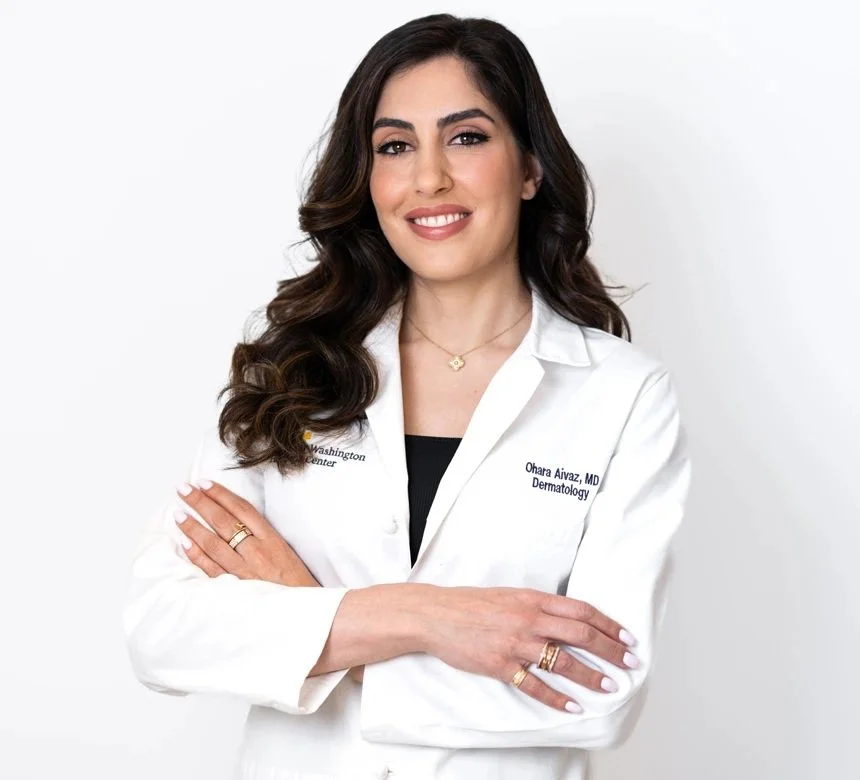
If you have noticed facial changes following weight loss or GLP-1 therapy, you are not alone, and you have options. At Ohara Dermatology, we take a thoughtful, medically grounded, and personalized approach to treating Ozempic Face, helping you look refreshed while honoring your journey. Schedule a consultation with Dr. Ohara Aivaz to explore a treatment plan tailored specifically to you.
Frequently Asked Questions
-
Ozempic face refers to facial volume loss that occurs as a side effect of rapid weight loss from GLP-1 medications like Ozempic, Wegovy, and Mounjaro. The face can appear gaunt, deflated, or aged despite overall weight loss.
-
It is primarily a cosmetic concern caused by rapid fat loss from the face. Dr. Aivaz evaluates each patient to ensure there are no underlying medical contributors to the volume loss before recommending treatment.
-
No. Treatment can be performed while continuing your medication. Dr. Aivaz will time and stage your treatments based on your current weight trajectory.
-
Dr. Aivaz uses Sculptra for collagen stimulation and long-term volume restoration, hyaluronic acid fillers for targeted enhancement, and Ultherapy Prime for skin tightening. The right combination depends on your degree of volume loss and skin laxity.
-
Dr. Aivaz recommends scheduling a consultation as soon as you start your weight loss journey. Early treatment can prevent more significant loss from accumulating and requires less correction overall.
-
Yes. All treatments used by Dr. Aivaz have established safety records. She tailors every treatment plan to your skin and health history.
Location
400 South Beverly Drive Suite 380
Beverly Hills, CA 90212
Hours
Monday — Friday
9am — 5pm