Retinol vs Retinoids: Which Is Better for Your Skin?
Retinol and retinoids are among the most studied and effective ingredients in skincare—but understanding the difference is essential when choosing the right option for your skin.
Both are derived from vitamin A and are widely used to improve skin texture, tone, acne, and signs of aging. However, they differ significantly in strength, speed, and how they interact with your skin.
What Do Retinol and Retinoids Actually Do?
Both retinol and retinoids work by increasing cell turnover, which means they help your skin shed dead cells more efficiently and produce new, healthier ones.
This leads to improvements in:
Skin texture and smoothness
Fine lines and wrinkles
Acne and clogged pores
Uneven pigmentation
Overall skin clarity
They also stimulate collagen production over time, which helps maintain skin firmness and elasticity.
What Are Retinoids?
Retinoids are prescription-strength derivatives of vitamin A, such as tretinoin, adapalene, or tazarotene.
They are already in a more active form, meaning they:
Work more directly in the skin
Produce faster and more noticeable results
Are more effective for moderate to severe concerns
Retinoids are commonly used for:
Acne treatment
Hyperpigmentation and dark spots
More advanced signs of aging
However, because of their strength, they may cause:
Dryness
Peeling
Temporary irritation
This is why proper guidance and gradual use are important.
What Is Retinol?
Retinol is an over-the-counter form of vitamin A that works gradually.
Before it becomes active in the skin, it must go through multiple conversion steps, which makes it:
Less potent
Slower acting
Generally better tolerated
Retinol is often recommended for:
Patients new to vitamin A products
Mild to moderate skin concerns
Maintenance and prevention
Because of its gentler nature, it is a good starting point for building tolerance.
Retinol vs Retinoids: What’s the Real Difference?
The key differences come down to strength, speed, and tolerance:
Retinol → milder, slower, easier to tolerate
Retinoids → stronger, faster, more results-driven
Retinoids tend to deliver more dramatic results, but retinol can still be highly effective when used consistently over time.
Which One Should You Use?
The best option depends on your skin type and goals:
Retinol may be better if you:
Are new to active skincare
Have sensitive or reactive skin
Want gradual improvement with minimal irritation
Retinoids may be better if you:
Have persistent acne
Are targeting pigmentation or sun damage
Want more noticeable anti-aging results
In many cases, patients start with retinol and transition to a retinoid if needed.
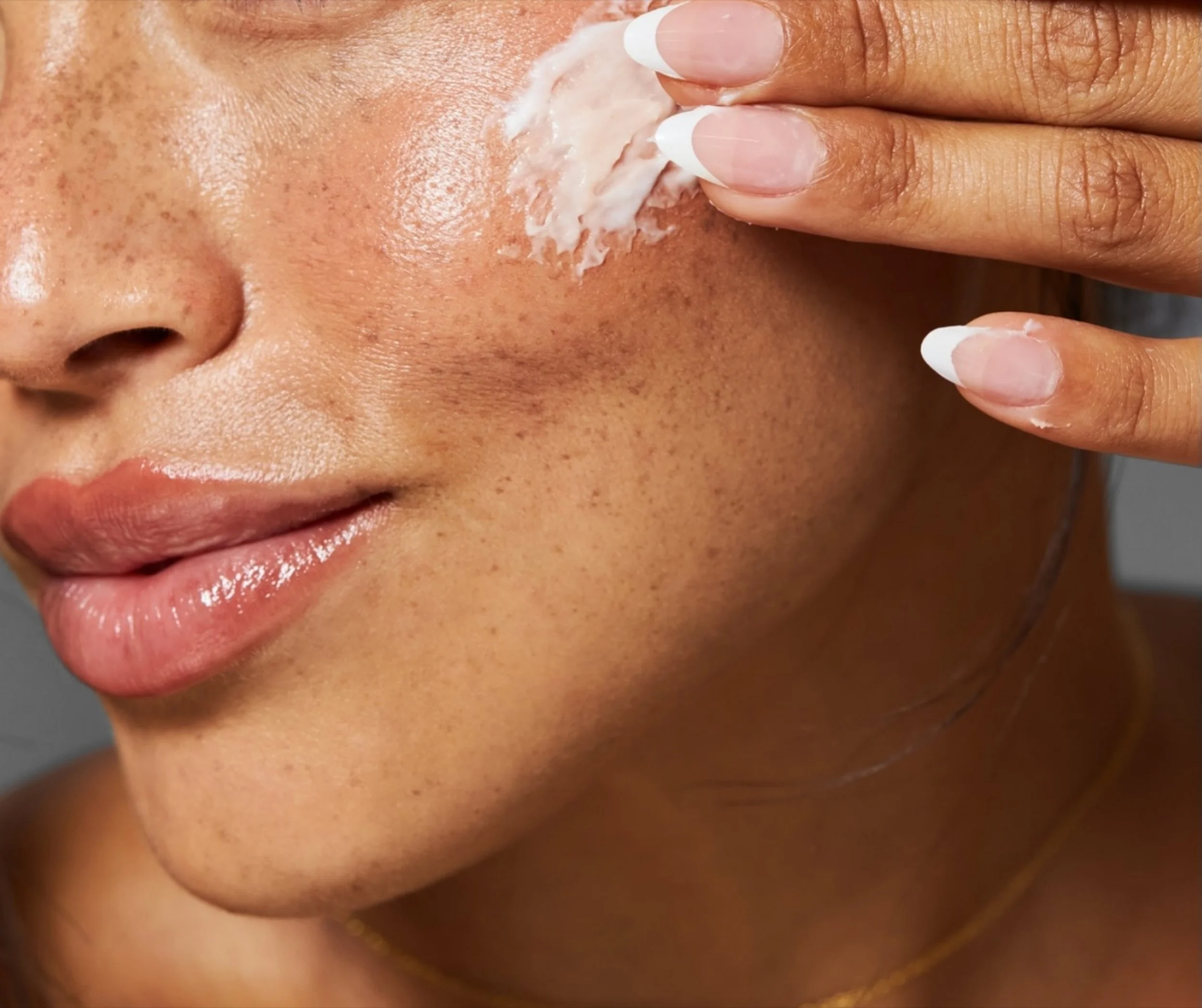
How to Start Using Retinol or Retinoids
Introducing vitamin A products too quickly can lead to irritation, so a gradual approach is key.
To minimize side effects:
Start 2–3 times per week
Use a gentle, hydrating moisturizer
Avoid combining with strong exfoliants initially
Apply at night only
Always use sunscreen during the day
It’s also normal to experience a brief adjustment period, sometimes called “retinization,” where the skin may become slightly dry or irritated before improving.
How Long Do Retinol and Retinoids Take to Work?
Results are gradual and require consistency.
Most patients begin to notice:
Improved texture within a few weeks
Reduction in acne within 6–8 weeks
Visible improvement in fine lines and tone over several months
Long-term use provides the most significant benefits.ng term goals and design a regimen tailored specifically to you.
Common Mistakes to Avoid
Using too much product too quickly
Skipping moisturizer
Not wearing sunscreen
Stopping too early due to temporary irritation
Consistency and patience are essential for success.
A Final Note
Both retinol and retinoids can be highly effective when used correctly.
The best results come from a personalized approach that considers your skin type, tolerance, and goals—while maintaining balance and minimizing irritation.