Does IPL Help with Sun Damage and Redness? What to Expect
Sun damage and redness are among the most common skin concerns, especially in areas frequently exposed to the sun like the face, chest, and neck.
One of the most effective treatments for improving both is IPL (Intense Pulsed Light). But how well does it actually work—and what should you expect?
What Is IPL Treatment?
IPL (Intense Pulsed Light)—also known as a photofacial—is a non-invasive skin treatment that uses broad-spectrum light to target pigmentation and redness beneath the surface of the skin.
Unlike traditional lasers that use a single wavelength, IPL delivers multiple wavelengths of light, allowing it to treat several skin concerns at once while leaving surrounding skin unharmed.
What Does IPL Treat?
IPL is a light-based treatment that targets pigment and blood vessels in the skin.
It is commonly used for:
Sun damage and brown spots
Redness and broken capillaries
Uneven skin tone
Overall skin clarity
By targeting these concerns at the source, IPL helps restore a more even and balanced complexion.
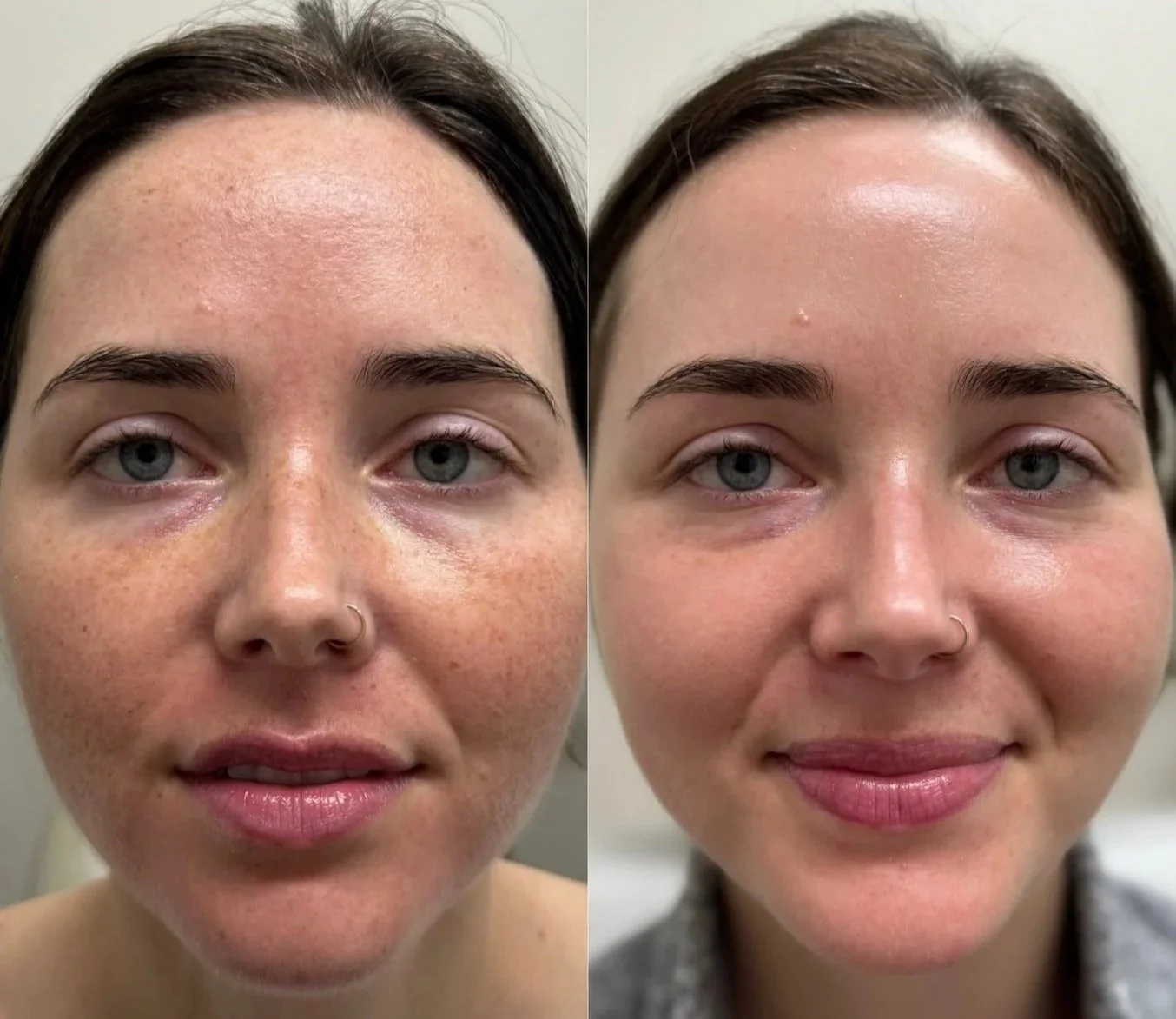
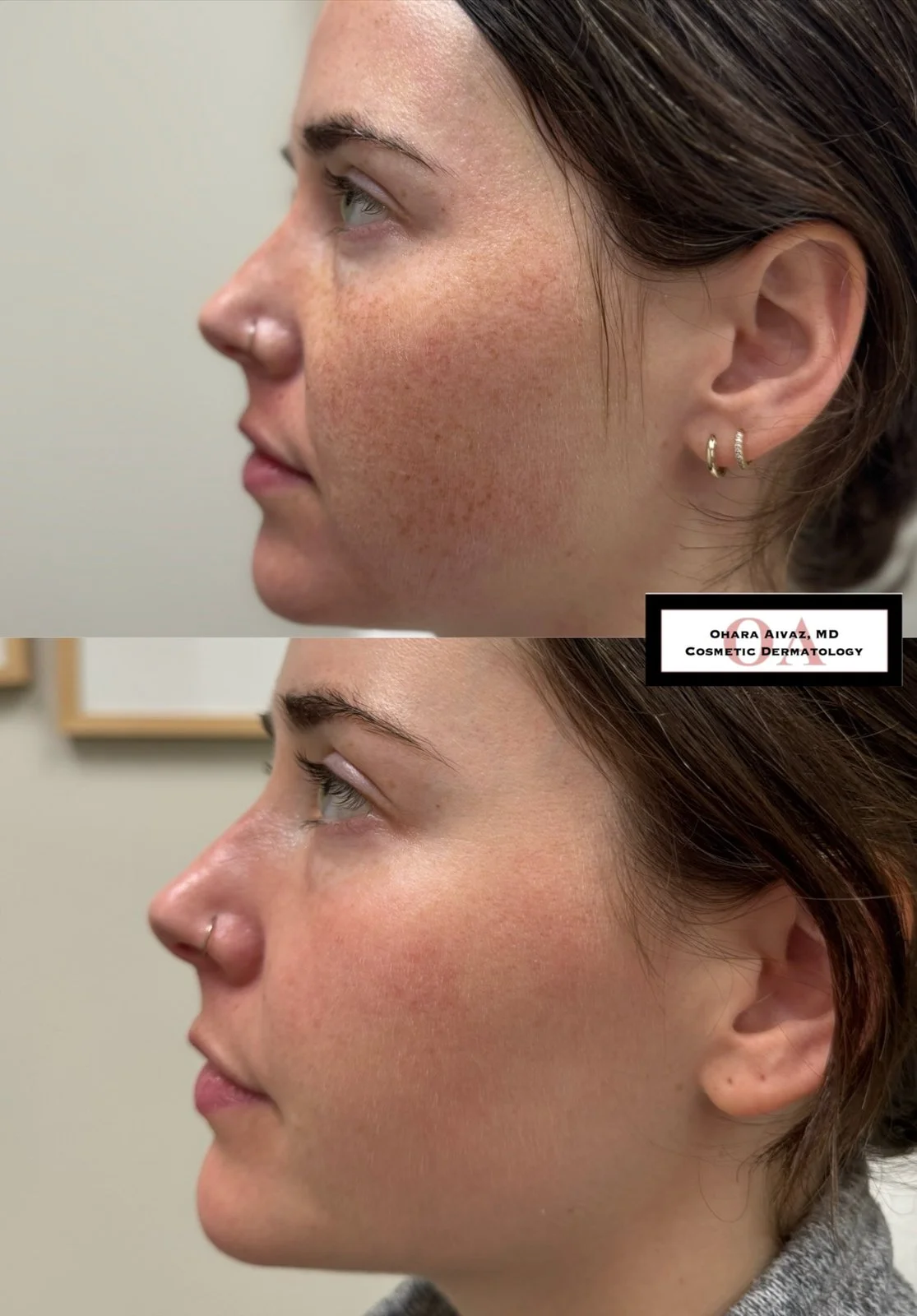
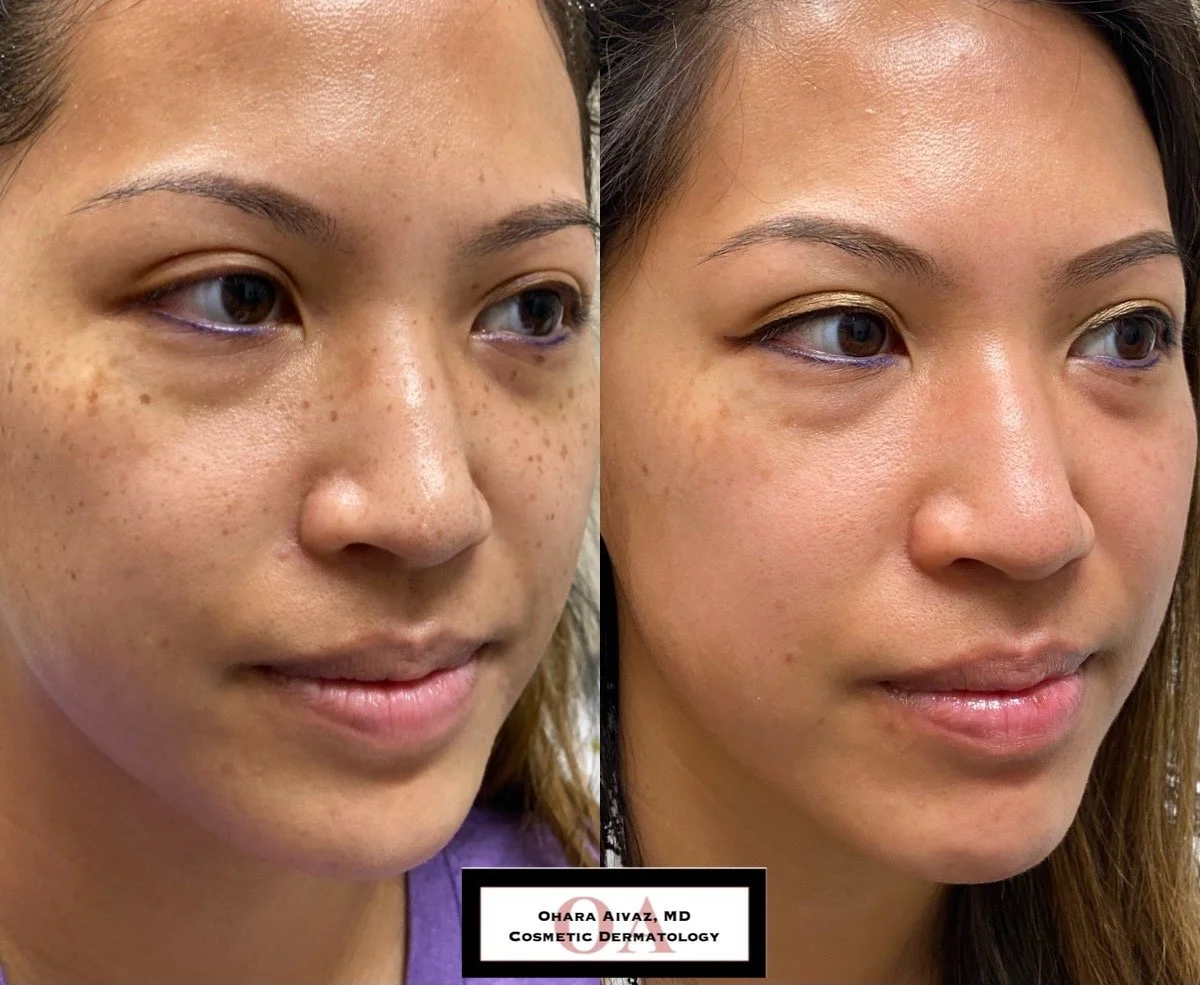
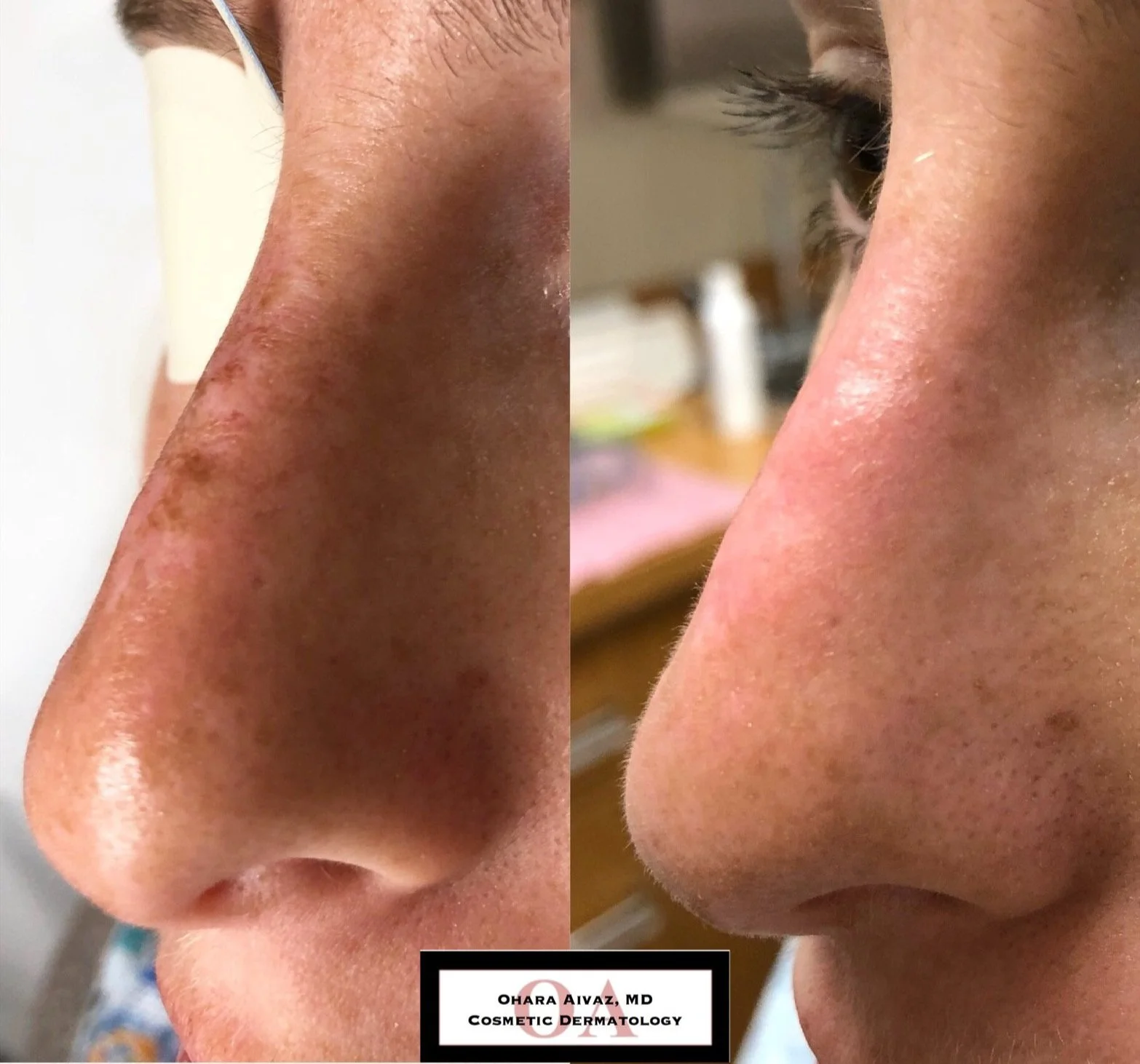
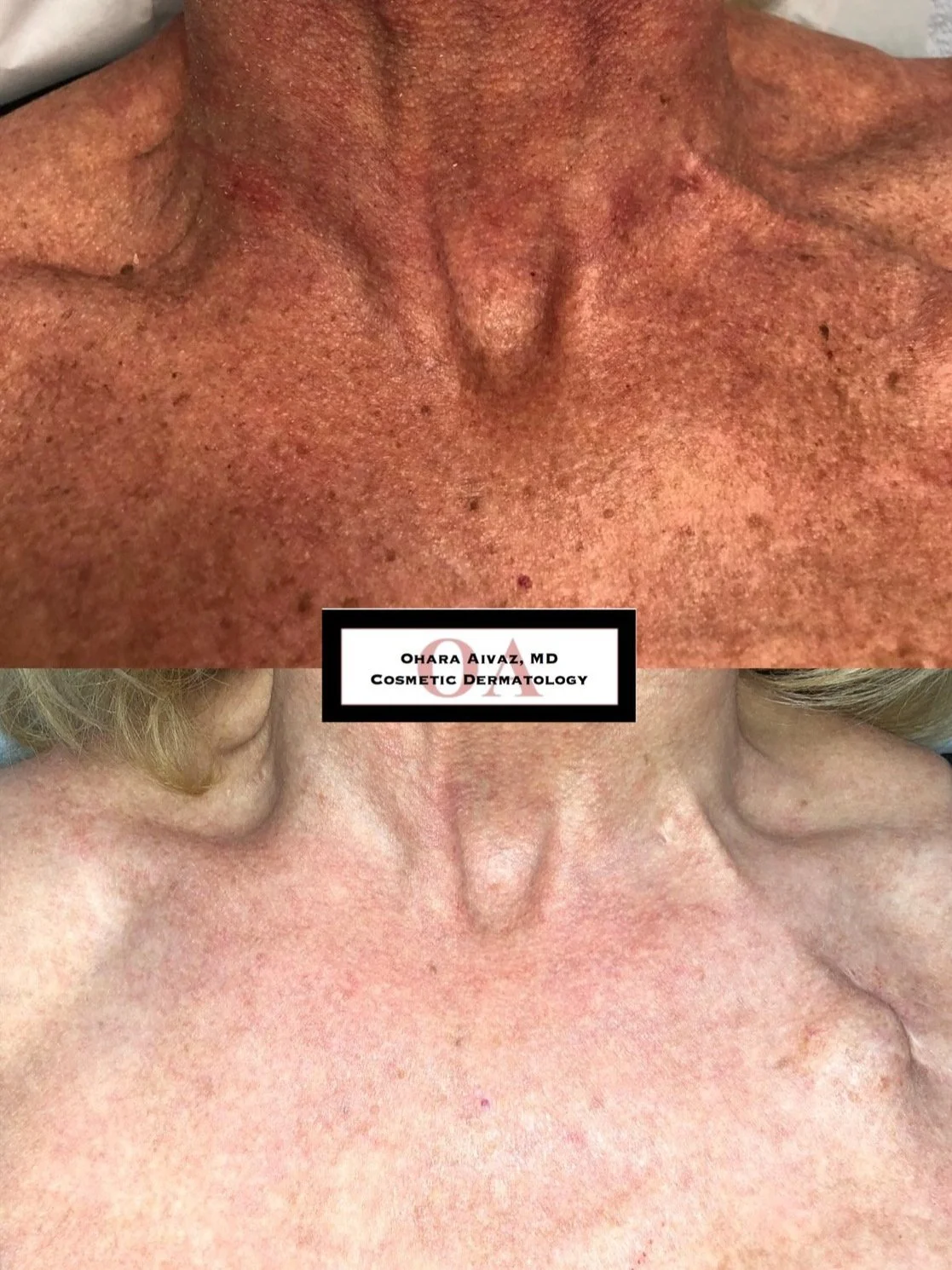
Does IPL Really Work for Sun Damage?
Yes—IPL is one of the most effective treatments for sun damage.
It works by:
Breaking down excess pigment
Allowing the body to naturally clear it
Gradually improving skin tone over time
Most patients notice:
Brighter skin
More even tone
Reduction in visible sun spots
How Many IPL Treatments Do You Need?
This depends on your skin and goals, but most patients require:
3–4 sessions spaced a few weeks apart
Each treatment builds on the last, improving results gradually rather than all at once.
What About Redness?
IPL is also highly effective for redness and visible blood vessels.
It targets:
Broken capillaries around the nose
Diffuse facial redness
Rosacea-related flushing
Over time, this leads to a clearer and more even complexion.
What Is the Downtime?
IPL typically has minimal downtime.
After treatment, you may experience:
Mild redness (a few hours to a day)
Darkening of sun spots before they fade
Most patients return to normal activities quickly.
Is IPL Right for You?
IPL is ideal for patients who want:
Brighter, clearer skin
Improvement in sun damage and redness
A non-invasive treatment with minimal downtime
A Final Note
While IPL is highly effective, results depend on your skin type, sun exposure, and overall skincare routine.
A personalized consultation is the best way to determine the right approach for your skin.
Frequently Asked Questions
-
Eliminating or reducing brown spots or other discolorations and hyperpigmentation
Eliminating age spot or liver spots
Reducing redness in acne scars, stretch marks or surgical scars
Treating uneven skin tone of face/neck/chest for more youthful skin
Reducing sun-damaged or aging skin
Treating rosacea
Treating broken blood vessels (also knows as telangiectasias)
Treating cherry angiomas
-
Areas that can be treated include, but are not limited to:
Face
Neck
Chest
Hands
Arms
-
Before treatment, you will have a consultation with Dr. Aivaz to discuss your concerns and desired outcomes. During this consultation, Dr. Aivaz will examine you and ask questions about your medical history to ensure you are a candidate for treatment.
During treatment, the area will be cleaned and prepped for the procedure. The IPL treatment takes about 20 minutes. Pain is minimal (similar to a rubber band snapping on the skin), but medical-grade topical anesthetic can be used to numb the skin should you desire. Cool air and ice make the procedure very tolerable.
The laser is passed over the treatment area, and most patients describe a feeling of heat and/or a rubber band snapping on the skin.
Patients are red and may be swollen for 2-3 days after the procedure. Expect light scabbing (I liken the scabs to coffee grounds) for about one week. These “coffee ground crusts” are actually the undesired pigment that is being removed. The pigment comes right to the surface of the skin, then peels off within 5-7 days.
The appointment can take anywhere from 5-60 minutes, depending on the area that is being treated.
-
Depending on your skin type and what is being targeted, anywhere between 2-5 sessions are recommended. Treatments are performed every 4 weeks.
You may need yearly touch ups, and the best way to prolong results is by protecting the skin from the sun with sunscreen and hats.
-
Laser procedures have an excellent safety record in Dr. Aivaz’s hands. Dr. Aivaz chooses laser settings very carefully to minimize risk of serious side effects such as skin pigmentation or scarring.